Originally developed to help people living with Tourette syndrome manage involuntary tics, the wearable Neupulse device is now showing promise for a wider group of neurological patients. The wrist-worn technology delivers gentle electrical stimulation to the median nerve, helping to regulate the brain networks involved in unwanted movements. Clinical trials in patients with Tourette syndrome have demonstrated meaningful reductions in tic frequency and severity, with some users experiencing improvements of more than 25%.
Developed from research at the University of Nottingham, Neupulse was designed as a non-invasive, self-managed treatment for Tourette syndrome. The device works by applying rhythmic electrical pulses through the wrist, a technique known as median nerve stimulation, which can help suppress involuntary movements and reduce the urge to tic.
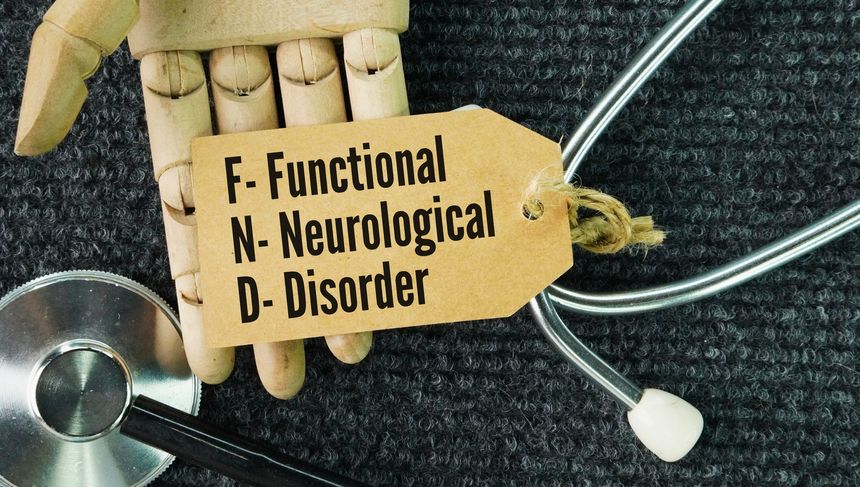
However, emerging real-world experience suggests the benefits may extend beyond Tourette’s. As highlighted in a recent BBC News report, 15-year-old Ollie from Cheshire, who has Functional Neurological Disorder (FND), has used Neupulse with notable success to control involuntary movements. While FND differs significantly from Tourette syndrome and further research is needed to understand the device’s effectiveness for FND and other neurological conditions, the case offers an encouraging example of how innovative technologies can find applications beyond their original purpose.
For people living with FND, involuntary movements can have a profound impact on daily life, affecting mobility, confidence and independence. The reported success of Neupulse in helping to reduce these symptoms provides hope that non-drug, wearable interventions may become an increasingly valuable part of symptom management in the future.
Although Neupulse was created specifically for Tourette’s, experiences such as this demonstrate the potential for neurological innovations to benefit a much broader patient community.
At Clyde & Co, our Brain Injury Subject Matter Group (SMG) continually monitors emerging research and developments in neurorehabilitation, brain injury and functional claims. We’re committed to providing our clients with clear, practical insights on the issues that matter. If you’d like to explore more of our thought leadership, you can find our full library of articles and updates here.